
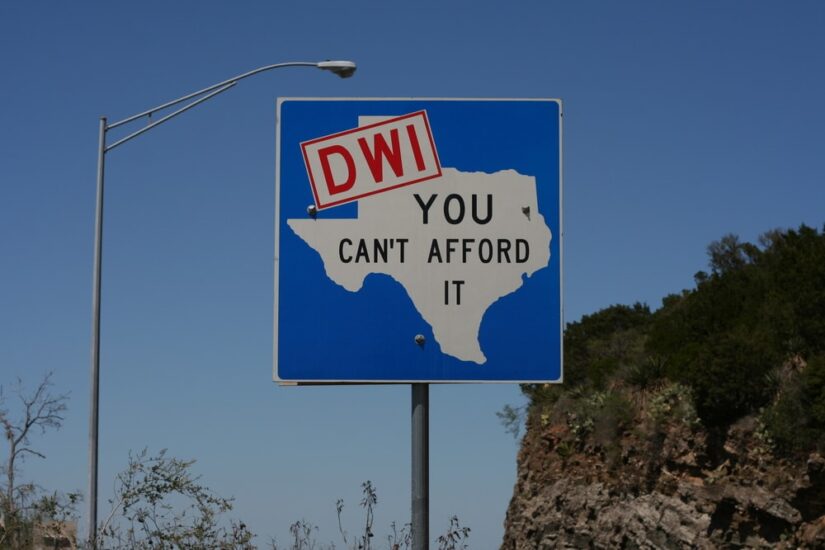
A DWI arrest in Texas can change your life. You face possible jail time, steep fines, loss of your driver’s license, skyrocketing insurance costs, and a permanent criminal record. Even a first-time offense can leave long-lasting consequences.
At the Napier Law Firm, Attorneys George Napier and Monica Cooper Napier are committed to defending individuals accused of driving while intoxicated and drug-related driving offenses in Harris County and across Greater Houston. With deep knowledge of Texas DWI law and years of courtroom experience, our firm provides aggressive, personalized representation designed to protect your rights and your future.
Who handles DWI cases at the firm?
George A. Napier is the firm’s primary DWI attorney. Monica Cooper Napier also handles DWI cases, including felony DWI.
For local DWI defense information, see our pages for Conroe and Montgomery County, Houston and Harris County, and Richmond and Fort Bend County.

Texas DWI Laws Explained
Under Texas Penal Code § 49.04, DWI means operating a motor vehicle in a public place while intoxicated.
DWI, under-21 DUI, and commercial-license rules are different
Texas DWI law defines intoxication in two ways: an alcohol concentration of 0.08 or more, or loss of the normal use of mental or physical faculties because of alcohol, drugs, or another substance. A result below 0.08 does not rule out a DWI charge. See Penal Code §§ 49.01–49.04.
For drivers under 21, Alcoholic Beverage Code § 106.041 separately prohibits operating a motor vehicle in a public place with any detectable alcohol. That under-21 offense is not the same as DWI.
Commercial-license disqualification rules are separate as well. The 0.04 threshold applies when operating a commercial motor vehicle; it is not a different Penal Code DWI definition for everyone who holds a CDL. See the DPS explanation of ALR and commercial disqualification.
Penalties for DWI in Texas
DWI penalties increase sharply with each conviction or if aggravating factors are present (child passengers, open containers, or crashes with injuries).
These are general penalty categories, not a prediction of the sentence or license consequences in a particular case. A first offense is not always a Class B misdemeanor. An alcohol concentration of 0.15 or more can make it a Class A misdemeanor. DWI in a school crossing zone while the reduced speed limit applies is a state jail felony under § 49.04(e), effective September 1, 2025. DWI with a passenger younger than 15 is a separate state jail felony under § 49.045. See Texas Penal Code Chapter 49.
First Offense — Usual Class B Range, Unless an Exception Applies
Up to $2,000 fine, 72 hours to 180 days in jail, and 90 days to 1 year license suspension.
Second Offense (Class A Misdemeanor)
Up to $4,000 fine, 30 days to 1 year in jail, and up to 2 years license suspension.
Third Offense (Third-Degree Felony)
Up to $10,000 fine, 2 to 10 years in prison, and up to 2 years license suspension.
Additional Consequences
• Ignition Interlock Devices – Mandatory for repeat or high-BAC offenders.
• Alcohol Education Programs – Court-ordered DWI education or intervention classes.
• Community Service & Probation – Often imposed alongside jail or fines.
• Bentley’s Law (2023) – Requires DWI offenders who kill a parent in a crash to pay child support.
• SR-22 Insurance – High-risk insurance required for license reinstatement.
• Occupational Licenses – Many drivers must request restricted licenses to keep working during suspension.
Collateral Consequences of a DWI Conviction
Beyond fines and jail, a DWI conviction can impact your life in other significant ways:
• Employment opportunities, especially jobs requiring driving.
• Immigration status for non-citizens.
• Professional licenses (nurses, teachers, commercial drivers).
• Child custody or family law cases.
• Auto insurance premiums for years after conviction.
DWI Defense Strategies in Texas
At The Napier Law Firm, we analyze every detail of your case, from the legality of the stop to the reliability of the evidence. Common defenses include:
• Illegal Traffic Stop – Police must have reasonable suspicion or probable cause.
• Improper Field Sobriety Tests – Errors due to health issues, poor conditions, or officer mistakes.
• Breathalyzer & Blood Test Errors – A breath or blood result is only as reliable as the process behind it. We review whether the machine was properly calibrated and maintained, whether blood samples were collected, stored, and handled correctly, and whether the analyst and lab followed required procedures. To see how these problems can come up, read our guides on Texas DWI blood test errors and DPS lab analyst problems in DWI cases.
• Rising BAC Defense – BAC may have been under the limit while driving but rose later.
• Medical Conditions – GERD, diabetes, or keto diets can cause false positives.
• Violation of Rights – Evidence can be thrown out if constitutional rights were violated.
• Officer Credibility – Exposing inconsistencies in testimony.
An Administrative License Revocation (ALR) proceeding concerns your driver’s license and is separate from the criminal DWI case. The hearing-request deadline depends on how and when the suspension notice is given—not simply the arrest date. DPS describes a 15-day deadline after service of notice and, for the mailed notice following a consensual blood test, 20 days from mailing. Read the notice promptly and see the Texas DPS ALR program.
Ask whether your representation will include the ALR hearing, any occupational-license proceeding, and the criminal case.
Why Hire The Napier Law Firm?
When your freedom and license are on the line, you need more than just any lawyer—you need an experienced advocate who knows Harris County, Montgomery County, Fort Bend County, and the greater Houston area courts.
• Local Court Experience – Familiarity with DWI courts and prosecutors.
• Personalized Defense – Strategies tailored to your case.
• Aggressive Advocacy – Challenging weak evidence and unfair procedures.
• Full-Scope Criminal Defense – We also handle drug crimes (https://www.thenapierlawfirm.com/drug-crimes), assault defense (https://www.thenapierlawfirm.com/assault-defense), and expunctions (https://www.thenapierlawfirm.com/expunctions).
• Proven Results – Case dismissals, reduced charges, and favorable outcomes.
Contact a Texas DWI Lawyer Today
If you’ve been arrested for DWI in Texas, Harris County, Montgomery County, Fort Bend County, Galveston County, or anywhere in the greater Houston area, don’t wait.
📞 Call The Napier Law Firm today for a free consultation. We’ll review your case, explain your options, and start building your defense immediately.
Your license, your freedom, and your future are at stake—put an experienced Texas DWI lawyer on your side.