
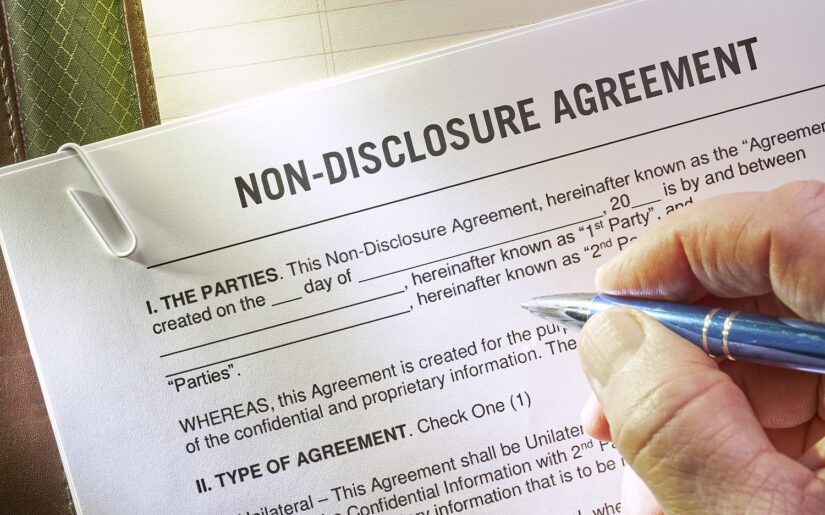
In Texas, being pronounced guilty of a crime has collateral consequences that can affect your daily life even after you have served your time. Things like being able to find employment, custody issues, and not being eligible for mortgage loans are just a few consequences that aren’t included in your sentence.
Anyone convicted of a crime may be able to prevent collateral ramifications using methods like expunction or non-disclosure. In Texas, non-disclosures have recently expanded to include DWI convictions, which means you have the opportunity to seal your record.
As with any legal issue, a process needs to be followed to have a successful non-disclosure. It’s best to contact a non-disclosure lawyer in Conroe who can defend your rights after a conviction.
Sealing a Record in Conroe
Otherwise known as non-disclosure, sealing a record hides your criminal record from public view. While the record is not deleted, law enforcement agencies and courts cannot show your sealed record to another entity.
What this means for you is that a sealed record does not need to be disclosed on job inquiries, school applications, mortgage loan requests, and more.
It’s important to remember that a non-disclosure order is only applicable to certain criminal offenses. It cannot cover your complete criminal record if you have been sentenced for more than one crime. Every conviction must qualify for non-disclosure, which you need to petition for—it is not a legal condition that happens automatically.
Qualifying for a Non-Disclosure
You can only qualify for nondisclosure in Texas if the crime is eligible. According to Texas Government Code, you must also have:
- Completed community service or probation
- Completed a Veterans Treatment Court Program
- Been convicted for specific misdemeanors
- Been convicted for driving under the influence
Being eligible does not automatically grant you non-disclosure.
Crimes That Are Not Eligible for Non-Disclosure
You can be disqualified from non-disclosure because of certain crimes, including the following:
- Sex offense
- Murder
- Aggravated kidnapping
- Human trafficking
- Injury to an older person, child, or disabled person
- Neglecting a child
- Violating your bond or court orders
- Stalking
- Domestic assault
How to Request Non-Disclosure
If you are eligible to seal your criminal record, you must file a petition to request non-disclosure with the court, known as a Petition for an Order of Nondisclosure. This petition must be valid and follow any applicable directions, as any errors could lead to a rejection of the request. Along with a properly filled-out form, you must convince the court that non-disclosure directly impacts your life.
Once the petition is filed, the court will send a Notice of Hearing to set a hearing date. You may need to supply the following documents:
- A copy of the judgment of your case
- A signed order from the judge involving any changes or early terminations to your case
- A signed order of completion regarding your deferred adjudication, probation, or jail time
- A signed order indicating that all fees are paid
- A discharge order
- A dismissal order
Your experienced non-disclosure lawyer in Conroe will be able to collect all applicable documents for your petition.
Sealing the Record for a DWI
Even if it is your first one, a DWI conviction can seriously affect your professional, academic, and personal life. The HB 3016 bill was introduced in 2017 to allow non-disclosure laws to seal the records for DWI convictions. This bill is retroactive, so a DWI conviction that occurred before the bill was signed can still qualify for non-disclosure.
Bear in mind that not all DWI convictions qualify for non-disclosure. To be eligible, one must:
- Have blood alcohol content that is less than 0.15
- Not have caused an accident with someone else during the DWI
- Have successfully finished probation
- Have paid all fines and fees associated with the DWI
- Must not have a criminal record aside from traffic offenses
A sealed DWI means that no one can view your record, including an employer. If you are applying for a position that requires security clearance, you can legally state that you have never been convicted of a crime. Any background checks will not reveal the DWI charge, which means you can apply for loans and school applications without fear.
You Deserve a Second Chance
Being granted an order of non-disclosure can pave the way to a better life. By seeking legal representation, you can ensure that you qualify for non-disclosure, file the petition properly, and successfully defend your position in court.
At The Napier Law Firm, our professional non-disclosure lawyer will review your case to determine eligibility and what steps you should take next. Making a mistake in your petition can delay favorable judgment. You don’t want to keep repeating the process!
We look forward to helping you continue with your life without any setbacks.