
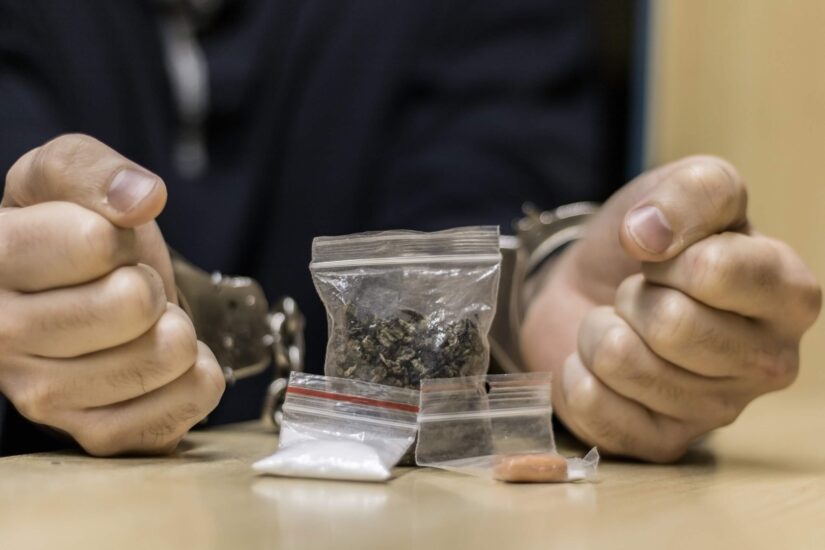
Navigating the complexities of drug possession laws in Harris County can be daunting. With varying consequences based on the type and amount of substances involved, individuals facing drug charges need expert guidance. Hiring a skilled Harris County drug possession lawyer can significantly impact the outcome of a case, potentially reducing charges or securing favorable plea deals.
The legal landscape surrounding drug possession varies widely. Understanding the parameters of what constitutes possession and the associated penalties is crucial. An experienced attorney can provide clarity on the law and personalized strategies for defense.
At Napier Law Firm, PLLC, clients receive comprehensive support tailored to their specific situations. Our firm’s expertise in local laws positions them to effectively advocate for those accused of drug possession, ensuring that their rights are protected throughout the legal process.
Navigating Drug Possession Laws in Harris County
Understanding drug possession laws in Harris County requires familiarity with key legal provisions and the classifications that dictate the potential consequences. An experienced drug possession attorney in Harris County can provide crucial guidance in navigating these complexities.
Key Legal Provisions for Possession Charges
In Harris County, Texas law sets the possession charges and penalties. Cocaine and heroin are in Penalty Group 1, while many unlawful THC concentrates are in Penalty Group 2. Both groups can carry felony charges below one gram; the groups have different higher-weight thresholds.
A small amount can still be a felony. Unlawful possession of less than one gram of a Penalty Group 1, 1-B, or 2 substance is ordinarily a state jail felony. Marijuana, Penalty Group 2-A, and some prescription-drug offenses have different thresholds. A lawyer should check the charged substance, lab findings, and alleged weight before assessing the punishment range.
Drug Possession Classifications and Consequences
Texas possession offenses include misdemeanors and several felony grades. A state jail felony is a felony, not a separate non-felony category.
- Misdemeanors: Examples include unlawful possession of two ounces or less of marijuana (Class B) and less than 28 grams of a Penalty Group 3 substance (Class A). The ordinary maximum jail terms are 180 days and one year, respectively.
- State jail felonies: Unlawful possession of less than one gram of a Penalty Group 1, 1-B, or 2 substance ordinarily falls here. The usual punishment range is 180 days to two years in state jail and a fine up to $10,000, although sentencing alternatives and enhancements can affect the result.
- Higher felony grades: Increasing quantities can raise possession to a third-, second-, or first-degree felony. The exact cutoff and punishment range depend on the penalty group, not on a general label such as a “large amount.”
Defenses against these charges can vary widely, from challenging the legality of the search to questioning the substance’s identity. Consulting a knowledgeable Harris County criminal defense lawyer is critical to building a robust defense strategy tailored to the specifics of the case.
Strategic Legal Defense with Napier Law Firm, PLLC
Napier Law Firm, PLLC employs a comprehensive strategy to defend clients facing drug possession charges. The focus is on leveraging known defenses and ensuring strict client confidentiality, fostering an environment of trust and security.
Leveraging Common Defenses in Possession Cases
The Napier Law Firm evaluates defenses based on the facts of each case. A search without a warrant is not automatically unlawful. The defense must examine the stop, any warrant, and any claimed exception to the warrant requirement, including valid consent or the automobile exception. If evidence was obtained unlawfully, a motion to suppress may keep it out of court; dismissal is not automatic.
Another defense strategy focuses on possession claims. Establishing that drugs were not in the client’s possession or control can significantly weaken the prosecution’s case. Additionally, there may be opportunities to negotiate plea deals or reduced charges based on mitigating factors.
Effective defense requires thorough investigation and understanding of the circumstances surrounding each arrest. Our firm prioritizes crafting a personalized defense plan based on the specifics of the case.

Ensuring Client Confidentiality and Trust
Client confidentiality is a cornerstone of the services provided by Napier Law Firm. We protect client information and explain how to communicate with us about sensitive facts.
Private discussions with counsel help us understand the facts and prepare a defense.
By prioritizing confidentiality, our firm can focus on developing effective legal strategies tailored to the client’s needs. This approach not only protects the client’s interests but also enhances the overall efficiency of their defense.
What to Do If You’re Charged: Immediate Steps
Being charged with drug possession is a serious situation that requires prompt and careful action. It is critical to understand the specific steps to take immediately following an arrest and how to prepare for a legal consultation.
Responding to an Arrest
Upon arrest, it is vital to remain calm and composed. The first step is to assert your right to remain silent. Engaging in conversation can complicate matters and may lead to unintentional admissions.
Once at the police station, individuals should request to contact a lawyer. Providing information to law enforcement without legal counsel can be detrimental. If you are given the option to bail out, understanding the implications of doing so and the conditions attached is crucial.
After the initial interactions with law enforcement, you should gather any relevant details about the incident. This includes the time, location, and circumstances surrounding the arrest, as this information is essential for the upcoming legal consultation.
Preparing for Your Legal Consultation
For a consultation, collect your charging papers, bond conditions, court notices, and documents describing any property seized. Ask the lawyer what else to bring; do not bring suspected drugs or other contraband to the office.
You should also take the time to jot down your account of events. Key dates, witness names, and any prior legal issues should be noted. This detailed account will assist the lawyer in building a strong defense.
During the initial consultation, you should openly discuss your concerns and any questions you have about the process. Understanding potential outcomes and the charges can alleviate some anxiety. Clarity about legal fees and payment arrangements before moving forward is also essential. Contact Napier Law Firm, PLLC for a consultation with an attorney for drug charges in Harris County.