
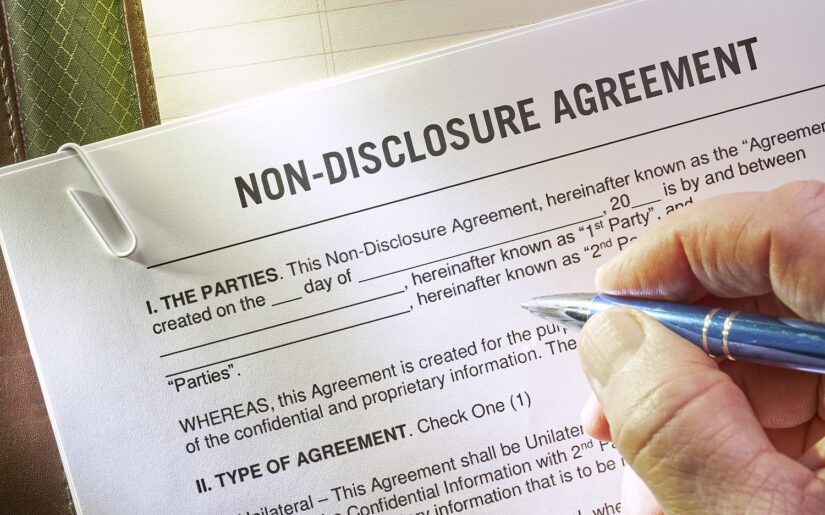
In Texas, being pronounced guilty of a crime has collateral consequences that can affect your daily life even after you have served your time. Things like being able to find employment, custody issues, and not being eligible for mortgage loans are just a few consequences that aren’t included in your sentence.
Some Texas criminal records may qualify for non-disclosure, including certain DWI dispositions. Eligibility depends on the offense, how the case ended, other criminal history, and the applicable waiting period.
As with any legal issue, a process needs to be followed to have a successful non-disclosure. It’s best to contact a non-disclosure lawyer in Conroe who can defend your rights after a conviction.
Sealing a Record in Conroe
Nondisclosure limits public access to the covered record; it does not destroy it. Courts and criminal justice agencies may still disclose it as authorized by law, including to specified schools, licensing bodies, and certain employers.
Section 411.0755 provides that a person need not state the covered criminal proceeding in an application for employment, information, or licensing. That protection is different from whether a recipient can legally obtain the record.
An order covers the criminal-history information specified in it, not every unrelated case on a person’s record. Each matter needs its own eligibility review. Section 411.072 provides a court-issued route for certain first-time misdemeanor deferred-adjudication cases, rather than the usual petition process. It requires a qualifying discharge and dismissal on or after September 1, 2017, eligibility evidence, and a $28 statutory fee—not a quote for other routes or attorney fees. The order cannot issue before 180 days after placement on deferred adjudication. This is not a rule that every dismissed case is automatically sealed.
Qualifying for a Non-Disclosure
The routes in Texas Government Code Chapter 411, Subchapter E-1 have different requirements. Potential routes include:
- Completed qualifying deferred adjudication with discharge and dismissal, or completed supervision after a qualifying misdemeanor conviction
- Completed a qualifying veterans treatment court program, subject to its separate restrictions and waiting period
- Completed a sentence for a qualifying misdemeanor and met the route’s other conditions
- Completed a qualifying DWI disposition under the separate rules below
Eligibility also depends on your other cases. Under Section 411.074, a conviction or deferred adjudication for a disqualifying offense can bar relief, and a new conviction or deferred adjudication during supervision, the sentence, or an applicable waiting period can prevent eligibility. The exception is a traffic offense punishable by fine only. Tell your lawyer about pending cases too; an unresolved charge is not the same as a conviction, but its disposition may affect the analysis. Special statutory routes can have different rules.
Crimes That Are Not Eligible for Non-Disclosure
Section 411.074 generally bars relief for the following offenses, including qualifying prior convictions or deferred adjudications. Special statutory routes must be checked separately.
- An offense requiring sex-offender registration
- Murder or capital murder
- Aggravated kidnapping
- Human trafficking
- Injury to an older person, child, or disabled person
- Abandoning or endangering a child under Penal Code Section 22.041
- Violations of court orders or bond conditions under Penal Code Sections 25.07 or 25.072
- Stalking
- Any offense involving family violence, or a family-violence finding in the case for which relief is requested
How to Request Non-Disclosure
For routes requiring a petition, use the form for the applicable statute and file in the court that statute identifies. The court considers eligibility and whether relief is in the best interest of justice—not simply whether the record affects your life. Section 411.072 has a different court-issued procedure. The Texas courts’ nondisclosure forms and instructions are organized by statutory route.
The State receives notice and an opportunity for a hearing; a hearing may be unnecessary when Section 411.0745(e)’s conditions are met. For an eligibility review, gather the cause number and charging document along with the applicable records below:
- A copy of the judgment of your case
- A signed order from the judge involving any changes or early terminations to your case
- A signed order of completion regarding your deferred adjudication, probation, or jail time
- Records showing payment of required fines, costs, and restitution
- A discharge order
- A dismissal order
For a DWI review, also gather the ignition-interlock order and compliance records. If relief is granted, the clerk sends the order or relevant information to DPS; DPS seals its covered records and notifies statutory recipients. The clerk and other agencies have separate sealing duties.
Sealing the Record for a DWI
Even if it is your first one, a DWI conviction can seriously affect your professional, academic, and personal life. The HB 3016 bill was introduced in 2017 to allow non-disclosure laws to seal the records for DWI convictions. This bill is retroactive, so a DWI conviction that occurred before the bill was signed can still qualify for non-disclosure.
For DWI-conviction routes, the eligibility review includes:
- A conviction under Penal Code Section 49.04 that is not punishable under Section 49.04(d), the 0.15-or-higher provision
- Whether the State presents sufficient evidence that the offense resulted in a motor-vehicle collision involving another person, including a passenger
- Completion of the applicable community supervision or sentence; probation is not the only possible route
- Completion of required confinement and payment of all fines, costs, and restitution
- No prior conviction or deferred adjudication for another offense, except a traffic offense punishable by fine only, plus compliance with Section 411.074
The waiting period depends on the route: qualifying DWI deferred adjudication under Section 411.0726 requires two years after completion and discharge and dismissal. A qualifying DWI conviction with community supervision under Section 411.0731 can have a two-year wait with successful compliance with the required six-month ignition-interlock condition, or a five-year wait when that condition was not ordered. Under Section 411.0736, the corresponding periods after sentence completion are three years and five years. The actual sentence, interlock order, and compliance records matter. A sealed DWI is not invisible to every employer or agency. Do not treat a Texas nondisclosure order as blanket permission to deny a record on a federal security-clearance application; obtain advice about the specific form and governing law.
For your eligibility review, have the court and cause number, disposition, completion dates, other criminal history, and any pending cases available. Ask which statutory route applies, when you may seek relief, and which records the order would cover. See our Texas nondisclosure services and the Texas courts’ route-specific forms. This is general information, not advice about a particular case.
You Deserve a Second Chance
An order of non-disclosure can limit public access to a qualifying record. A lawyer can assess the statutory route, identify supporting documents, and address objections; representation does not guarantee eligibility or an order.
At The Napier Law Firm, our professional non-disclosure lawyer will review your case to determine eligibility and what steps you should take next. Making a mistake in your petition can delay favorable judgment. You don’t want to keep repeating the process!
We look forward to helping you continue with your life without any setbacks.